Building a Virtualized Cybersecurity Lab: Networking and pfSense Setup
Planning the Overall Network. Creating Network Segmentation, Installing and configuring pfSense as my Virtual Network Router Firewall and DHCP Server
Houston, Texas
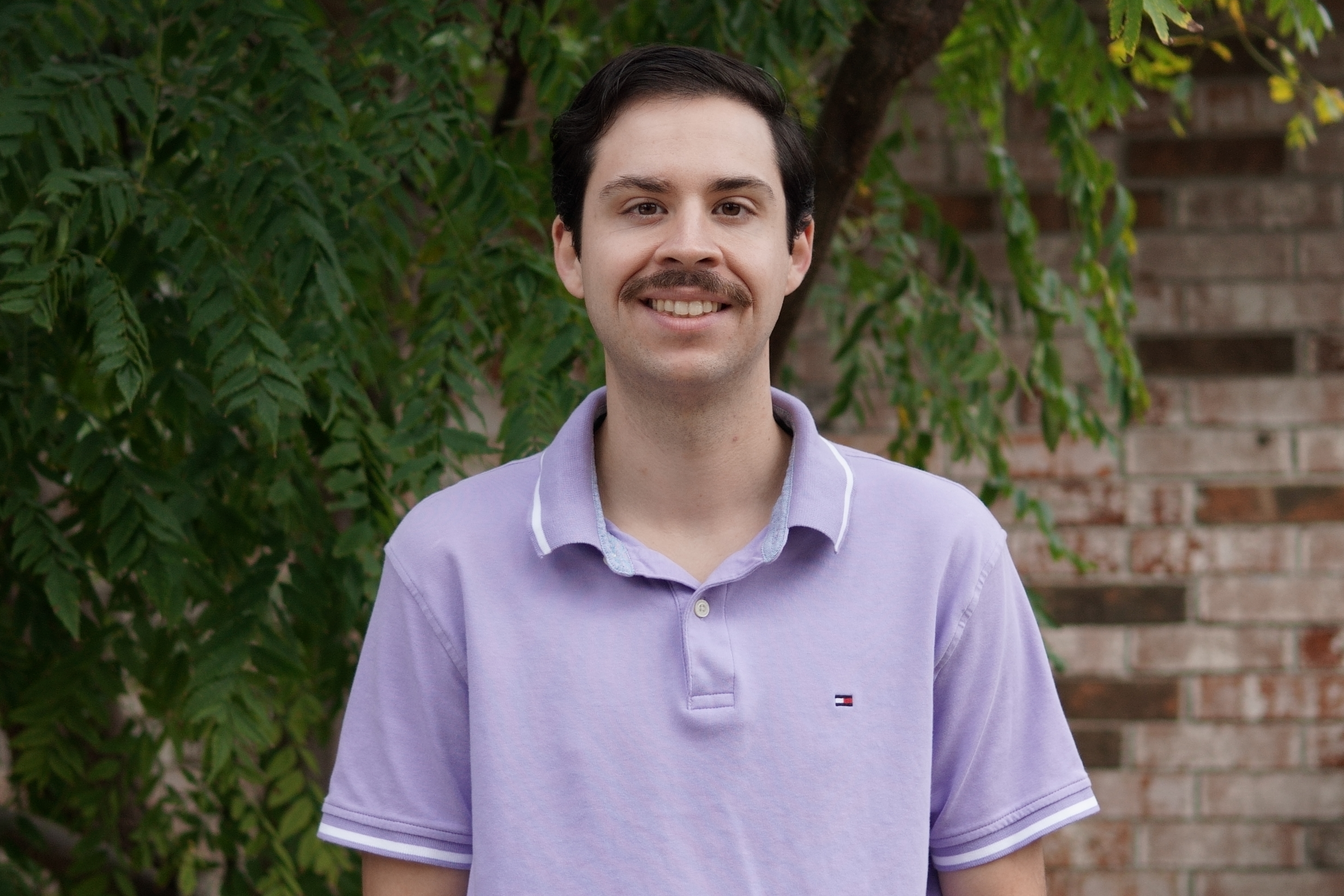
I’m a former full-stack developer turned cybersecurity student, bringing a strong foundation in software engineering and system design to security-focused projects. I began my career at OneReach.AI in 2022, improving backend efficiency and frontend performance for clients like McGraw Hill and Athena Health using Node.js, PostgreSQL, and Vue.js.
Now, as a cybersecurity student at Maryville University, I’m leveraging my development experience to build secure systems and hands-on cloud security projects. I’m passionate about understanding how applications, networks, and data can be both built and protected, and I’m eager to bridge the gap between software development and cybersecurity through practical, real-world projects.
View Resume
A Series of Blog Posts I made while building my Virtual Home Lab for Networking and Cyber Security Research
Planning the Overall Network. Creating Network Segmentation, Installing and configuring pfSense as my Virtual Network Router Firewall and DHCP Server
Creating and Installing Windows 11 and Windows Server 2022 VMs. Configuring Active Directory then linking both Windows VMs and Ubuntu Desktop VM to AD
Installing Splunk on Ubuntu server, then configuring Log Forwarding on Windows 11, Windows Server2022, Ubuntu Desktop, and pfSense
Creating the Kali Linux Attack Machine and interacting with the Virtual Home Lab Network to display overall connectivity, interactivity, logging and concluding this Robust Lab Project
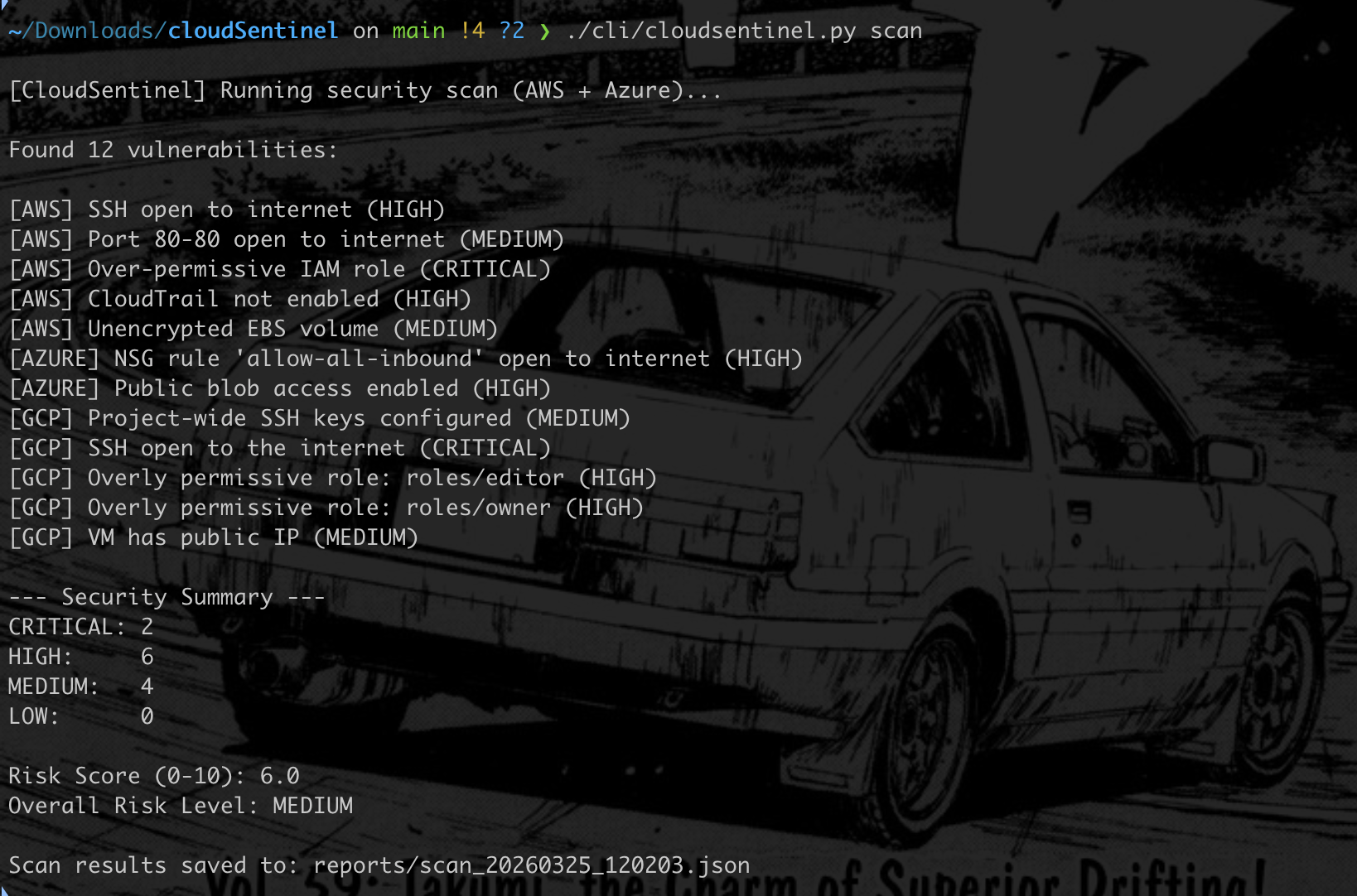
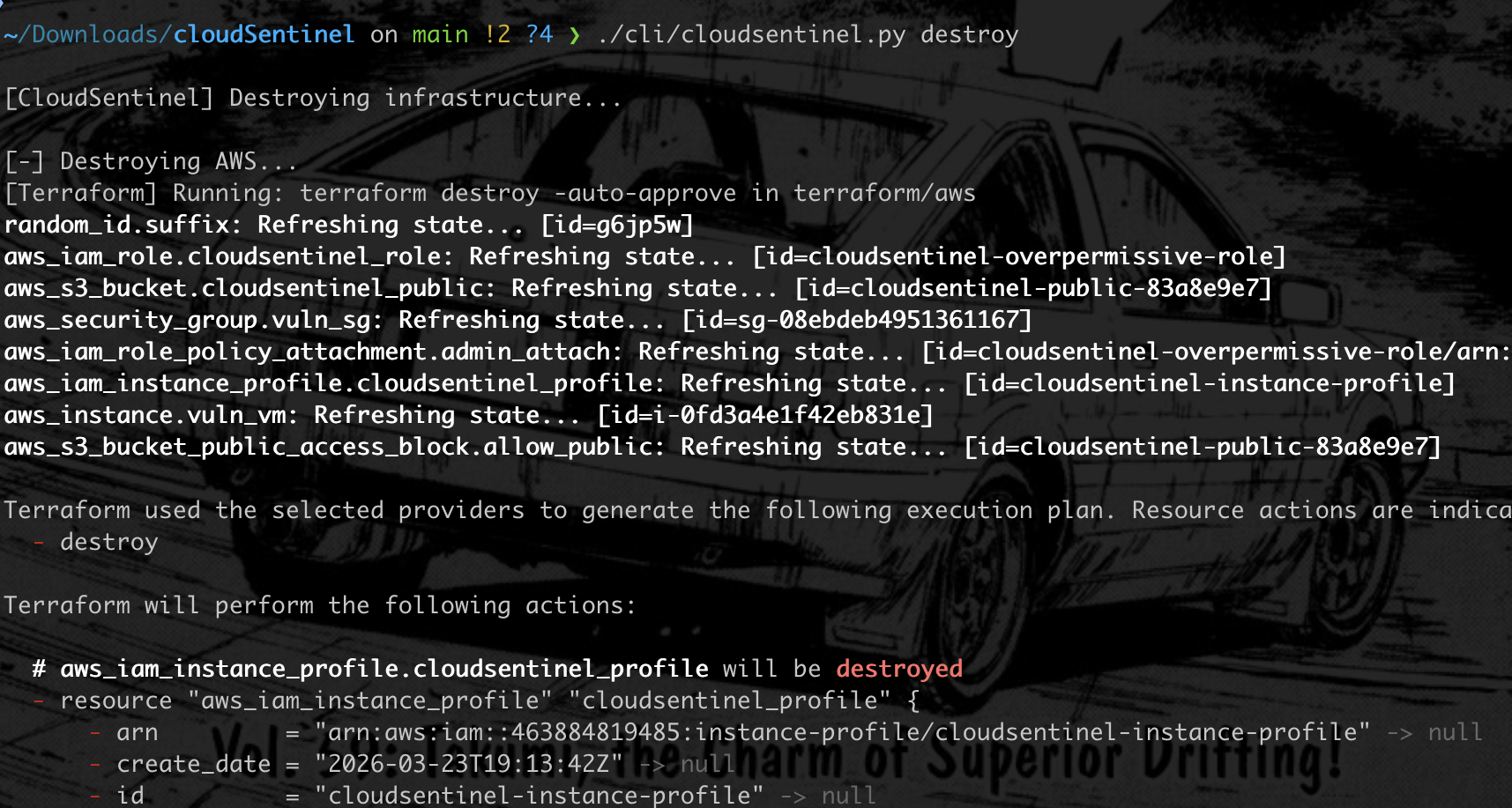
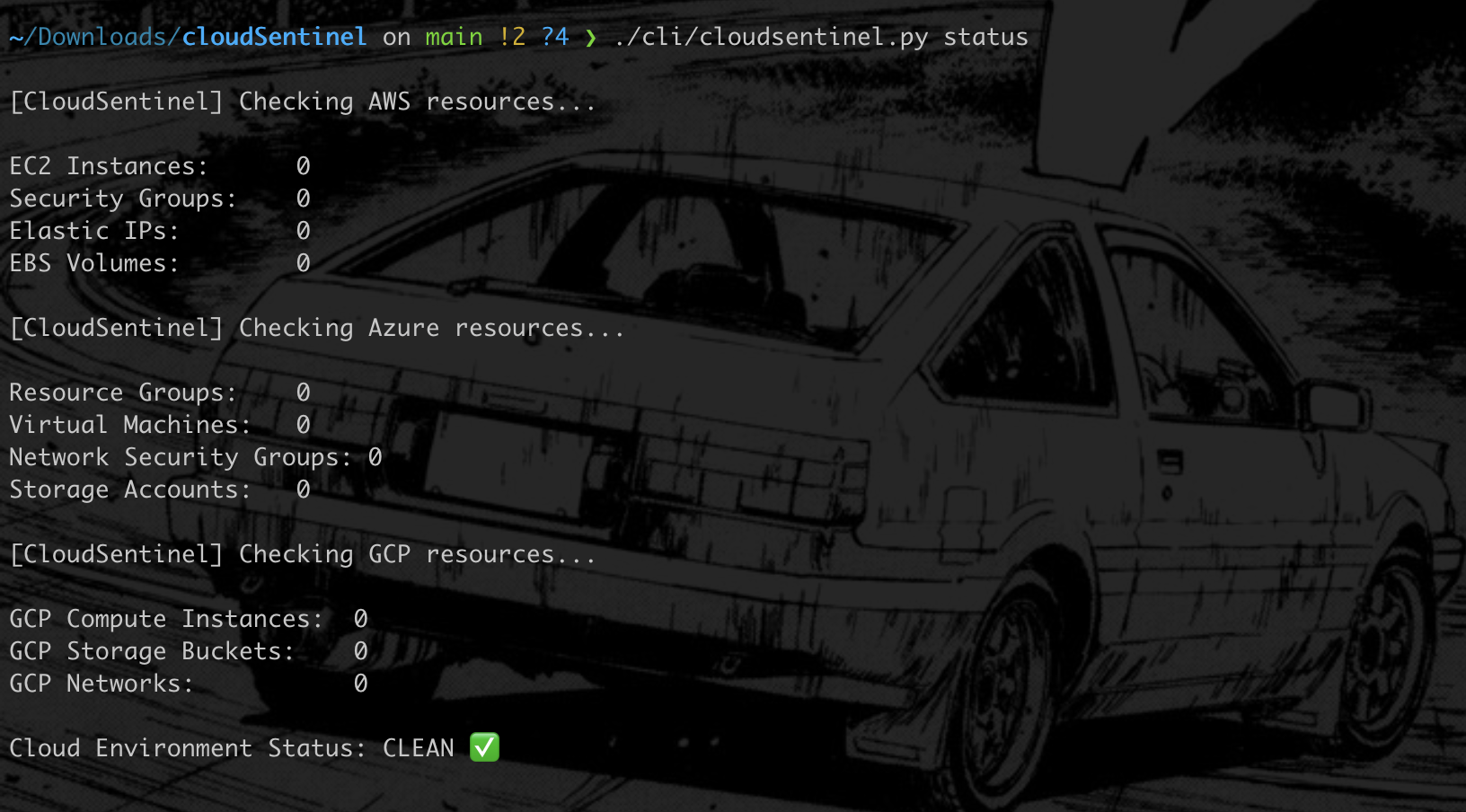
Built a multi-cloud security tool that deploys intentionally vulnerable infrastructure across AWS, Azure, and GCP, then scans and reports real-world misconfigurations using a custom Python CLI.
Deploys vulnerable cloud infrastructure using Terraform
Scans for real-world security issues (open SSH, public storage, IAM risks)
Aggregates findings across AWS, Azure, and GCP
Generates structured reports (JSON + CSV)
Cleans up all resources and verifies nothing remains
Python - CLI + scanning engine
Terraform - Multi-cloud infrastructure
AWS / Azure / GCP - Cloud Enviroments
Bash / CLI - Tooling
JSON / CSV - Reporting
• Multi-cloud architecture with a unified scanning engine
• Modular security checks (AWS, Azure, GCP separated cleanly)
• Risk scoring system (weighted severity model)
• Automated deployment → scan → report → destroy workflow
• CLI tool built for real-world usability
• Dealt with cloud provider inconsistencies (naming rules, regions, SKU availability)
• Solved IAM and permission issues across AWS, Azure, and GCP
• Designed a scalable scanning architecture across multiple providers
• Built error handling and fail-fast logic for Terraform automation
• Learned how real cloud misconfigurations are detected and reported
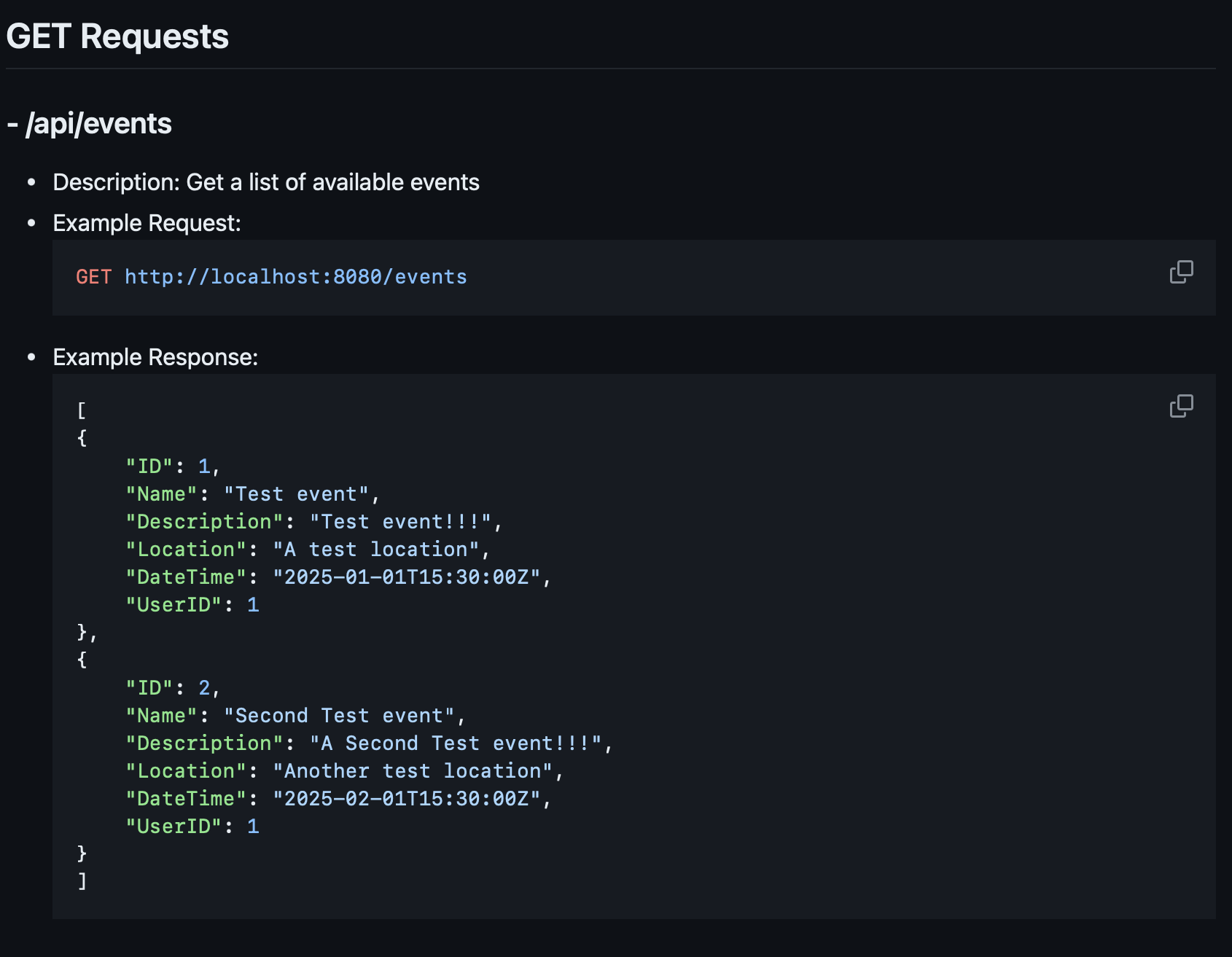
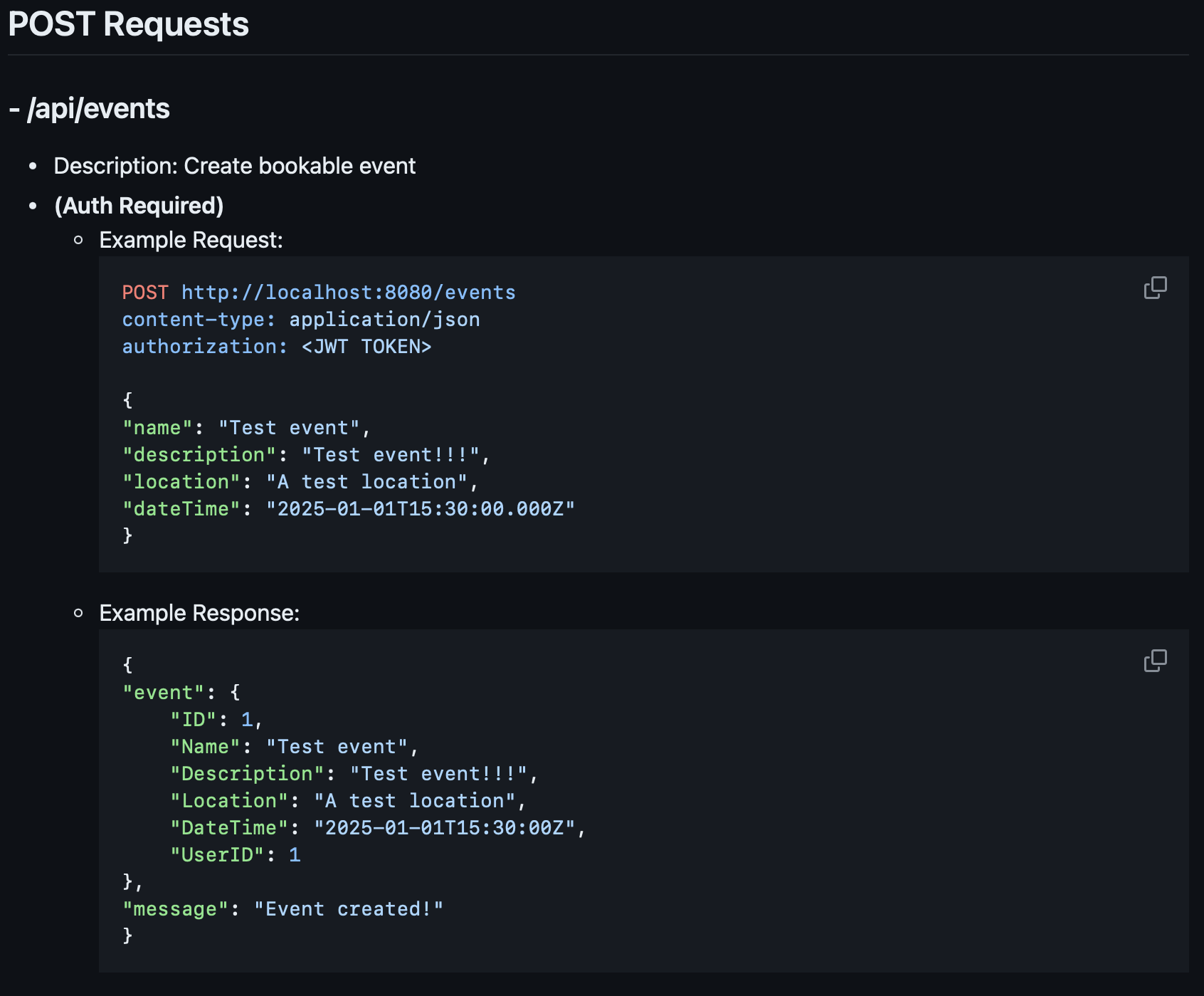
Built a RESTful API in Go to handle user authentication and event management, focusing on secure backend design and API development fundamentals.
User authentication with JWT tokens
Secure password storage using bcrypt
• Full CRUD operations for event management
• Protected routes with role-based access logic
Go - (Golang)
Gin - (HTTP routing)
Gin - (HTTP routing)
JWT - Authentication
bcrypt - (password hashing)
• Token-based authentication (JWT)
• Password hashing and verification
• Protected API endpoints
• Authorization checks (resource ownership)
• How authentication flows work in real systems
• How to design and secure REST APIs
• Handling user sessions and authorization logic
• Building backend services in Go