Building a Virtualized Cybersecurity Lab: Networking and pfSense Setup
Planning the Overall Network. Creating Network Segmentation, Installing and configuring pfSense as my Virtual Network Router Firewall and DHCP Server
Houston, Texas
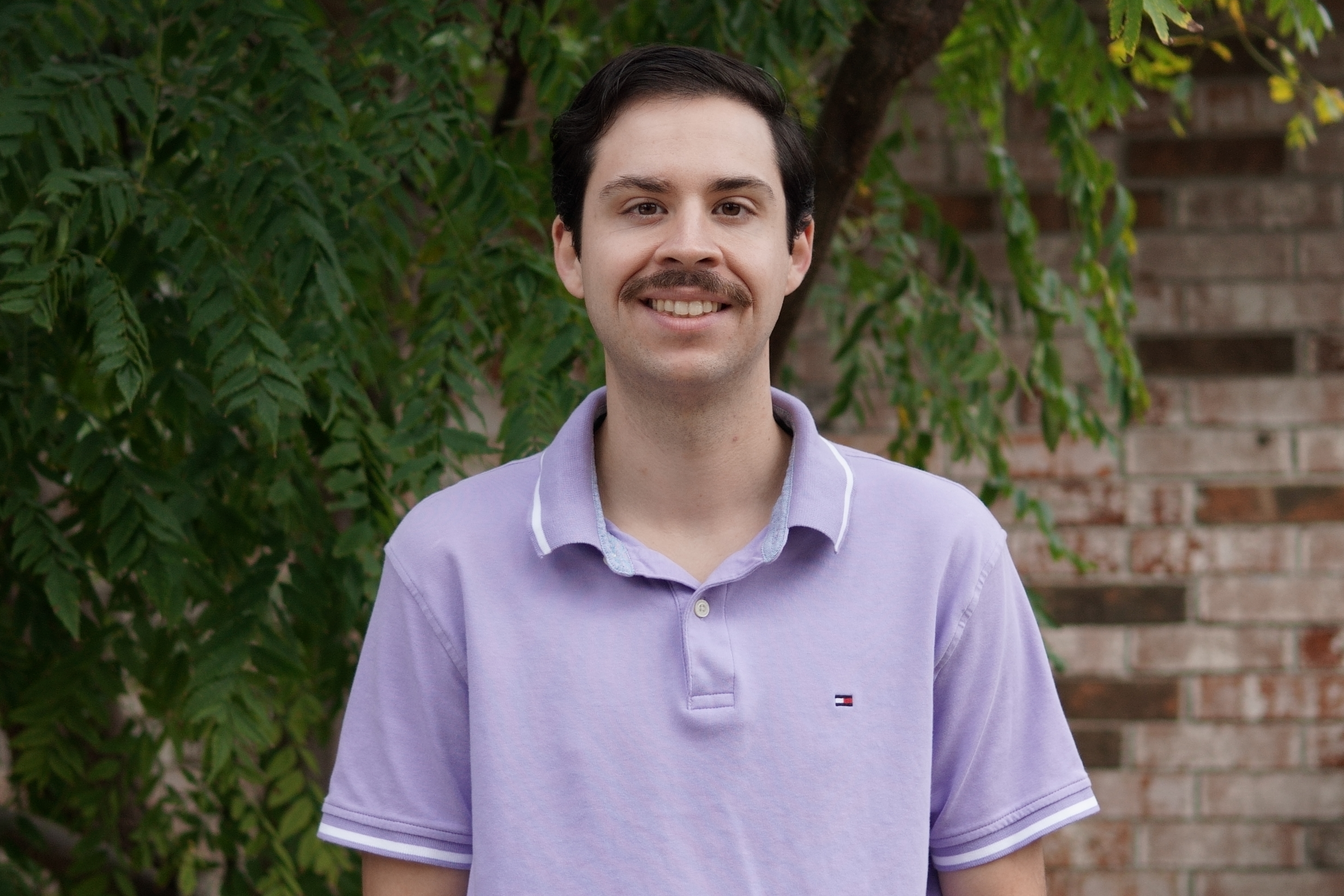
I’m a former full stack developer turned cybersecurity student with a strong foundation in software engineering and system design. I began my career at OneReach.AI in 2022, where I improved backend efficiency and frontend performance for clients like McGraw Hill and Athena Health using Node.js, PostgreSQL, and Vue.js.
Now, I’m building on that technical background by pursuing a degree in cybersecurity at Maryville University, with about a year and a half left of school. My focus is shifting toward creating secure systems and hands-on cybersecurity projects that combine my development experience with modern security practices.
I’m passionate about understanding how applications, networks, and data can be both built and protected—and I’m excited to continue bridging the gap between software development and cybersecurity.
View Resume


A Series of Blog Posts I made while building my Virtual Home Lab for Networking and Cyber Security Research
Planning the Overall Network. Creating Network Segmentation, Installing and configuring pfSense as my Virtual Network Router Firewall and DHCP Server
Creating and Installing Windows 11 and Windows Server 2022 VMs. Configuring Active Directory then linking both Windows VMs and Ubuntu Desktop VM to AD
Installing Splunk on Ubuntu server, then configuring Log Forwarding on Windows 11, Windows Server2022, Ubuntu Desktop, and pfSense
Creating the Kali Linux Attack Machine and interacting with the Virtual Home Lab Network to display overall connectivity, interactivity, logging and concluding this Robust Lab Project
This is an API built using Go and SQLite3. I wanted to build a backend project using something different from Node.js and I really liked using Go previously for the Monkey Interpreter.
Libraries Used
• Gin library which was very helpful for HTTP request routing.
• jwt-go for Auth tokens in requests to verify users.
• bcrypt for encrypting and decrypting passwords stored in the SQL DataBase.
• go-sqlite3 for running the SQL server.
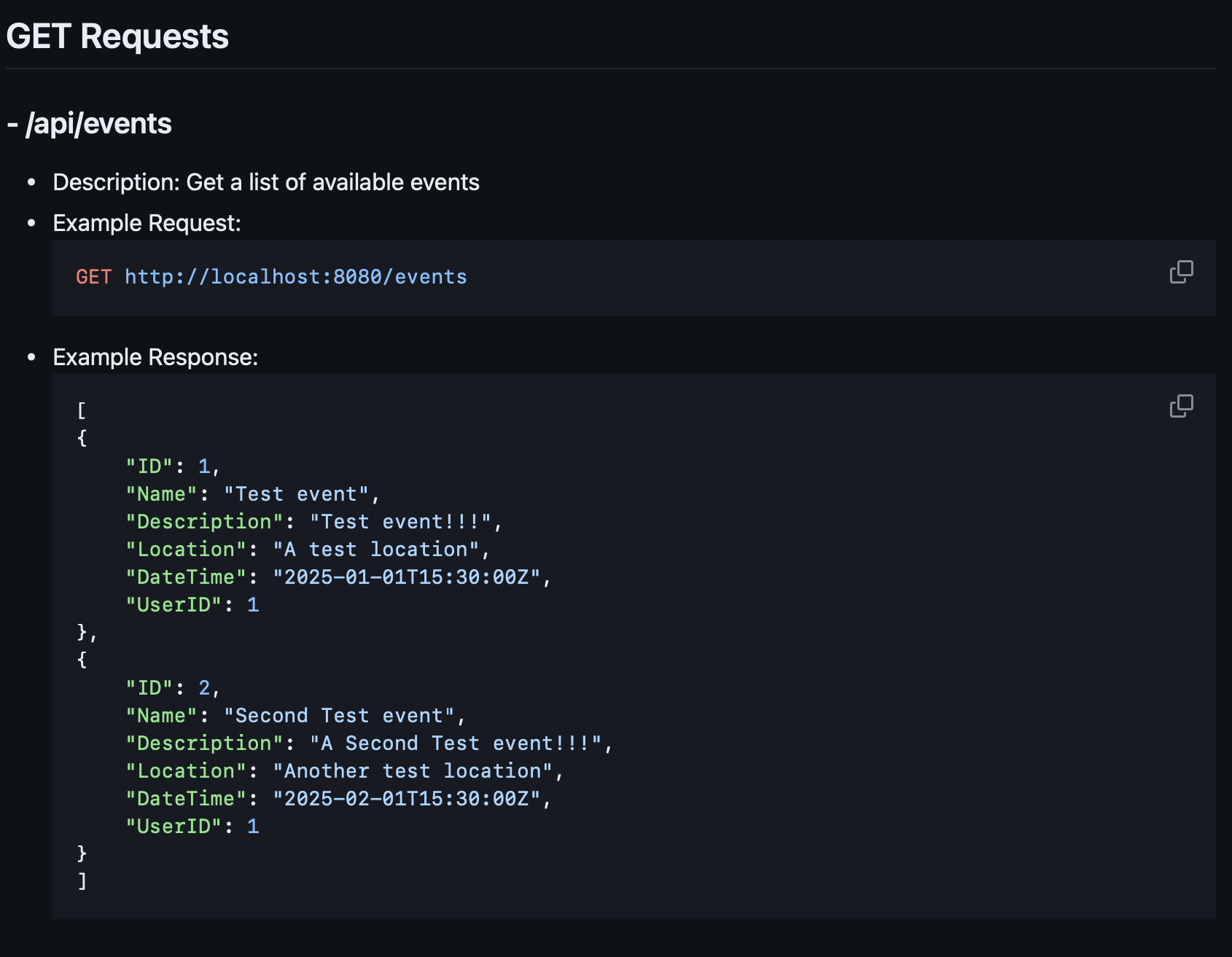
api/events
• Get a list of available events
api/events/21
• Get a specific event based on ID
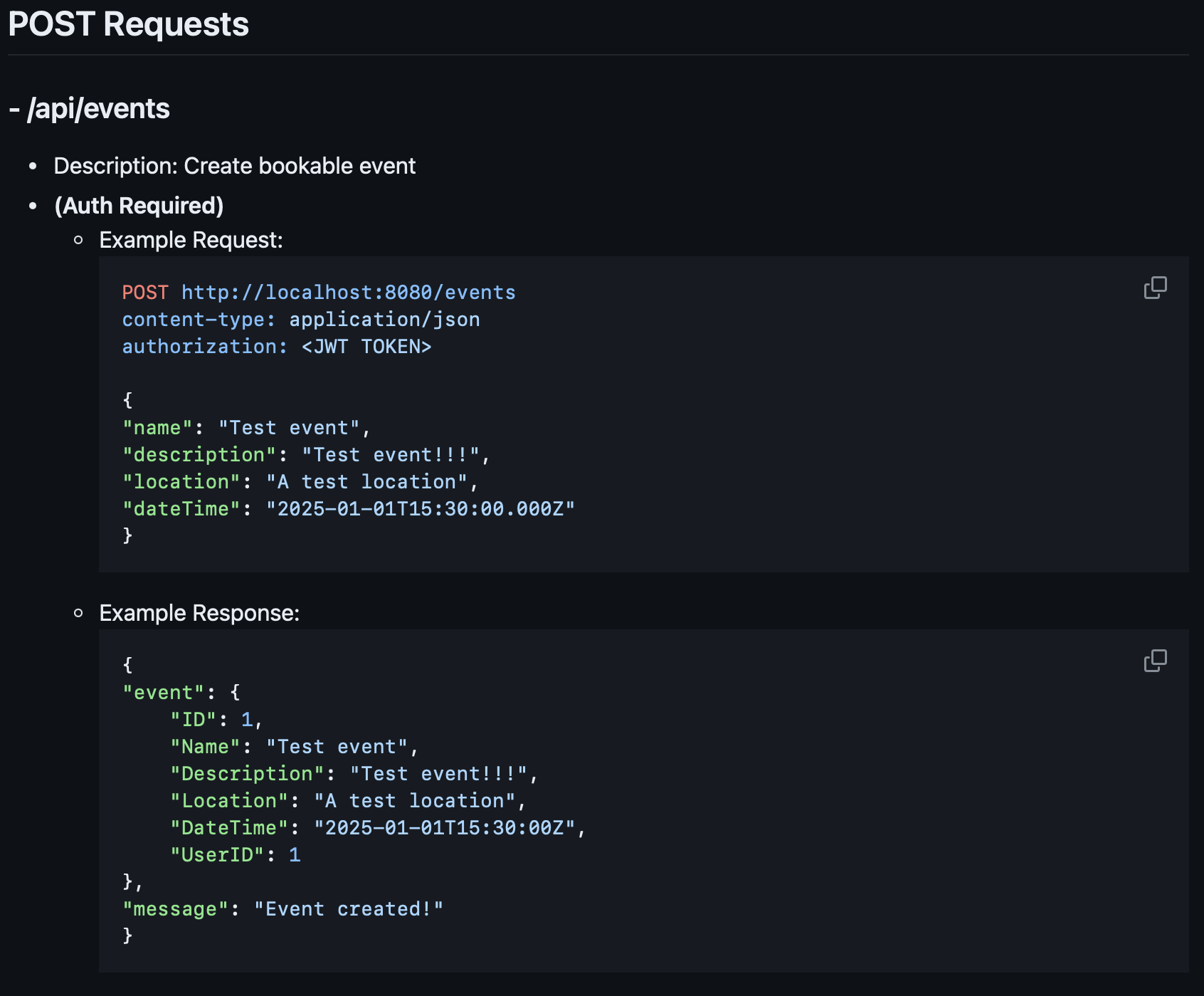
api/events (Auth Required)
• Create bookable event
api/signup
• Create a new user
api/login (Returns Auth Token)
• Sign in and Authenticate user
api/events/21/register (Auth Required)
• Register the user for an Event
api/events/21 (Auth Required) (Only by Creator)
• Update an existing Event
api/events/21 (Auth Required) (Only by Creator)
• Delete an Event by ID
api/events/21/register (Auth Required)
• Delete a registration for an Event
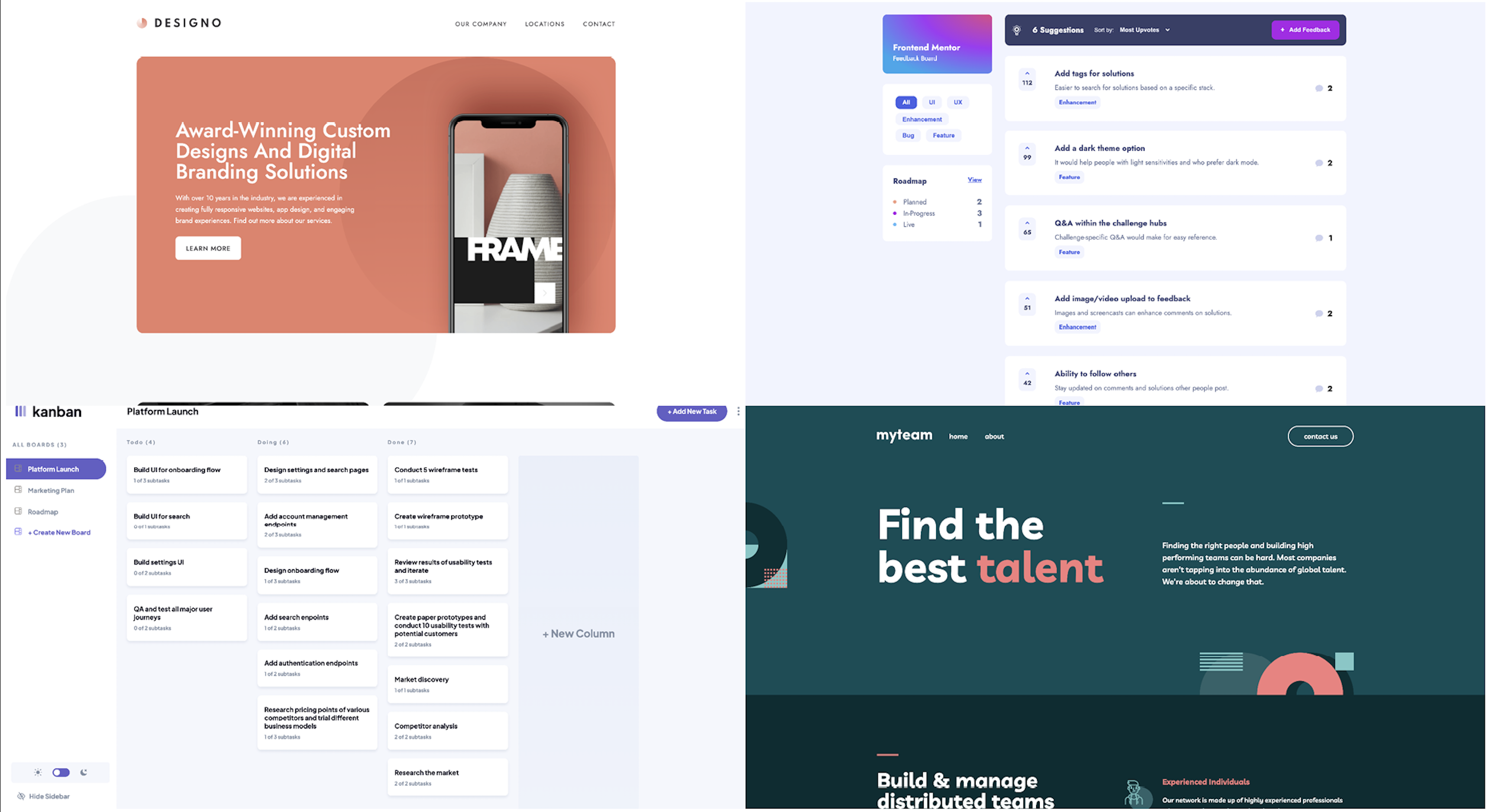
These are challenges from the site Frontend Mentor, Which had been integral to me getting experience building UI with HTML, JS and CSS. As well as using React.JS I have an organized Repo containing all of my solutions and links to 20+ live sites that can be visited.